Empowering Students - Including The Priceless Parents
Training future leaders stakeholders based on merit
STEM Education
Innovative training for future scientists.
Engaging civic health initiatives.
Explore climate change solutions.
Civic Health
Arts & Culture
Finding Collaborations Alignments and Collaborations during American Reconstruction before our 250th Anniversary
Empowering Students for Tomorrow
We train student stakeholders through diverse media perspectives in STEM, civic health, climate change, CTE, tourism, history, media, business, and arts, Steemmagazine.wordpress.com, Groovetrak.net, See W. Calvin Anderson education and development since 1992.
150+
15
Join Our Community
Trusted by Many
Bridging the Georgia Readiness Gap: Strategic Recommendations for High School, College, Trade, and Startup Pathways (2026–2027)
ADVICE FOR HIGH SCHOOL SENIORS AND PARENTS AND GUARDIANS
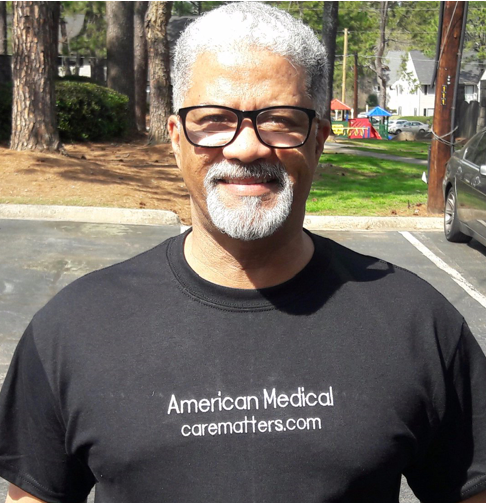
By: W. Calvin Anderson, MS. ED., Postsecondary Pathways & Workforce Strategy Specialist
The landscape of secondary and postsecondary preparation across Georgia is undergoing a structural shift. Statewide economic data demonstrates a massive concentration in physical, operational, and technical sectors—led by Manufacturing (190 sub-sectors) , Wholesale & Retail Trade (117 reports combined) , Construction (35 reports) , Professional & Technical Services (35 reports) , Transportation & Warehousing (34 reports) , Administrative Support (26 reports) , and Arts, Entertainment & Recreation (19 reports) according to NAICS.
Despite this heavy industrial and operational footprint, traditional K-12 academic models remain largely aligned with standard liberal arts or general college-prep tracks. This disconnect creates an avoidable “readiness gap”. To build localized competitive advantage across Metro Atlanta, Coastal Savannah, Central Macon, and Northwest Rome, high school seniors, families, and educators must adopt targeted postsecondary strategies for 2026–2027.
1. Postsecondary Readiness Architecture by Pathway
GEORGIA POSTSECONDARY PATHWAYS MATRIX ┌───────────────────────┬───────────────────────┬───────────────────────┐ │ DIRECT WORKFORCE │ TECHNICAL & TRADE │ 4-YEAR COLLEGE/UNIV │ ├───────────────────────┼───────────────────────┼───────────────────────┤ │ • CTAE Work-Based Lng │ • HOPE Career Grant │ • Early Applied Math │ │ • Industry Credentials│ • Dual Enrollment │ • Cross-Disciplinary │ │ (OSHA, AWS, CNC) │ (TCSG Alignment) │ Minor/Certificates │ └───────────────────────┴───────────────────────┴───────────────────────┘
Pathway A: Direct Workforce Readiness
For students entering the workforce directly, traditional high school diplomas are insufficient without employer-recognized credentials.
Capitalize on CTAE Pathways: Engage fully in Georgia’s Career, Technical, and Agricultural Education (CTAE) pathways and Work-Based Learning (WBL) programs , which currently yield a 98.2%+ graduation rate and direct pipeline opportunities to local employers.
Stackable Credentials First: Prioritize high-value certifications prior to graduation:
Manufacturing & Trades: OSHA 10/30, Certified Production Technician (CPT), basic CNC Machining.
IT & Tech: CompTIA Security+, AWS Cloud Practitioner.
Logistics: Certified Logistics Associate (CLA).
Pathway B: Trade & Technical School Readiness
Georgia’s Technical College System (TCSG) serves as the primary engine for high-wage, high-demand careers across the state.
Leverage the HOPE Career Grant: Georgia offers 100% tuition coverage via the HOPE Career Grant for high-demand technical programs, including Aviation Maintenance, Commercial Truck Driving, Cybersecurity, Industrial Systems Technology, Precision Manufacturing, and Healthcare.
Dual Enrollment Optimization: High school juniors and seniors should utilize Dual Enrollment to complete technical certificates (TCCs) tuition-free through institutions like Gwinnett Tech, Savannah Tech, Central Georgia Tech, or Georgia Northwestern Technical College (GNTC) before graduating high school.
Pathway C: 4-Year University & Advanced Degree Pathways
For university-bound students targeting institutions like Georgia Tech, Emory, Georgia State, Georgia Southern, or Mercer, readiness goes beyond test scores and GPA.
Shift to Applied Quantitative Skills: Align high school math electives toward Data Analytics, Applied Statistics, and Computer Science rather than solely abstract theoretical tracks. Manufacturing, Logistics, and Tech Services in Georgia demand data literacy.
Pair Humanities with Technical Minors: Humanities and arts students entering sports, media, or entertainment should pair creative writing or media production coursework with business analytics, intellectual property/contract administration, or event operations.
2. Business Startup & Entrepreneurship Readiness
With major innovation hubs spanning the state—from Atlanta Tech Village and ATDC to SparkMacon and the Savannah Logistics Innovation Center—Georgia is a premier state for young entrepreneurs. High school seniors aiming to start businesses must build specific foundational capabilities:
Practical Financial Modeling: Mastery over unit economics, cash-flow forecasting, tax compliance, and business credit structures over standard academic economics.
Navigating Local Incubator Ecosystems:
Metro Atlanta: Leverage high-school outreach and university incubators (ATDC, Tech Square, Flatiron City).
Macon & Central GA: Connect with SparkMacon or Mercer Innovation Center for AgTech and Defense-related software startups.
Savannah & Coast: Tap into The Creative Coast for media, green supply chain, and maritime logistics ventures.
Rome & NW GA: Engage with NWGA Innovation Hub for advanced manufacturing tech and material science applications.
Legal & IP Literacy: Understanding contract law basics, intellectual property, and NAICS-aligned industry compliance—especially critical in Georgia’s booming film/media and logistics sectors.
3. Regional Alignment Matrix & Postsecondary Action Steps
RegionPredominant Economic SectorsTop Postsecondary InstitutionsHigh-Impact Student Action (2026–2027)Metro AtlantaSoftware/AI, Fintech, HealthTech, Film/MediaGeorgia Tech, Emory, GSU, KSU, Gwinnett TechBuild Python/SQL portfolios; pursue dual-enrollment tech credentials; participate in Atlanta Tech Village youth initiatives.Savannah & CoastMaritime Logistics, Aerospace, Clean Energy/EVGeorgia Southern, SCAD, Savannah Tech, Savannah StateTarget supply-chain/OSHA certifications; leverage Savannah Tech/Georgia Southern logistics programs.Macon & CentralDefense Contracting, AgTech, Cybersecurity, HealthcareMercer Univ, Middle Georgia State, Central GA TechPursue Security+ or drone/GIS credentials; connect with SparkMacon and Robins Air Force Base civilian pipelines.Rome & NW GAAdvanced Manufacturing, Robotics, Synthetic TextilesBerry College, Shorter Univ, GNTC, Dalton StateComplete Mechatronics/Robotics CTAE pathways; earn CNC machining credentials through GNTC.
4. Immediate Roadmap for 2026–2027 Seniors & Families
Fall Semester: Audit senior course loads against local high-demand industry listings. Enroll in CTAE Work-Based Learning (WBL) or register for spring Dual Enrollment courses through TCSG colleges.
Winter Semester: Apply for the HOPE Career Grant if entering technical or trade fields. Obtain at least one stackable industry credential (OSHA 10/30, AWS, CompTIA, Six Sigma) before May graduation.
Spring Semester: Complete an internship, apprenticeship, or pitch deck. Connect directly with local development authorities, incubators (ATDC, SparkMacon, Creative Coast), or regional technical college placement offices.
Share this please!



W. Calvin Anderson's Classroom Archive: The Foundations of 30 Years of Student Success
Empowerment Services
Training student stakeholders through diverse media perspectives in various fields.
This link offers a deep dive into the practical, on-the-ground teaching philosophy and foundational educational materials created by W. Calvin Anderson, MS. ED. Spanning the period from 1992 to the present, this archive is a testament to the evidence-based strategies that initially fueled the Student Empowerment Program. Explore the original principles, curriculum development, and classroom insights that laid the groundwork for our comprehensive, P-20 wraparound support model and established our three-decade commitment to student mastery and autonomy and experiences,
Promoting civic engagement and health awareness among students using interactive media strategies.
Civic Health
Contact Us
Reach out to us for inquiries about our student empowerment programs and training opportunities.